
Why More NRI Homeowners Are Choosing Aluminium Interiors for Their Dream Homes in India?
- Hariharan
- May 29
- 3 min read
For many NRIs, building a home in India is more than a construction project—it’s an emotional investment. It is the house where parents live, where holidays are spent, and often where retirement plans take shape.
However, owning a home thousands of miles away comes with challenges that local homeowners rarely think about. A small leak can go unnoticed for months. Termite damage may only be discovered during the next annual visit. Kitchen cabinets can swell due to humidity, and maintenance becomes a recurring headache.
This is one of the reasons why an increasing number of NRI homeowners are moving towards aluminium interiors instead of traditional wood-based solutions.

The Reality of Long-Distance Homeownership
Imagine spending lakhs on beautiful interiors, only to return after a year and find swollen kitchen cabinets, peeling laminates, or termite damage.
Many traditional materials used in Indian interiors are vulnerable to moisture, insects, and changing weather conditions. While these issues can often be managed with regular maintenance, NRIs usually don’t have the luxury of monitoring their homes every month.
They need a solution that remains reliable even when nobody is around to take care of it.
Aluminium Interiors: Built for Peace of Mind
Unlike plywood, MDF, or particle board, aluminium does not absorb moisture. It does not swell during monsoons, crack due to humidity, or become a food source for termites.
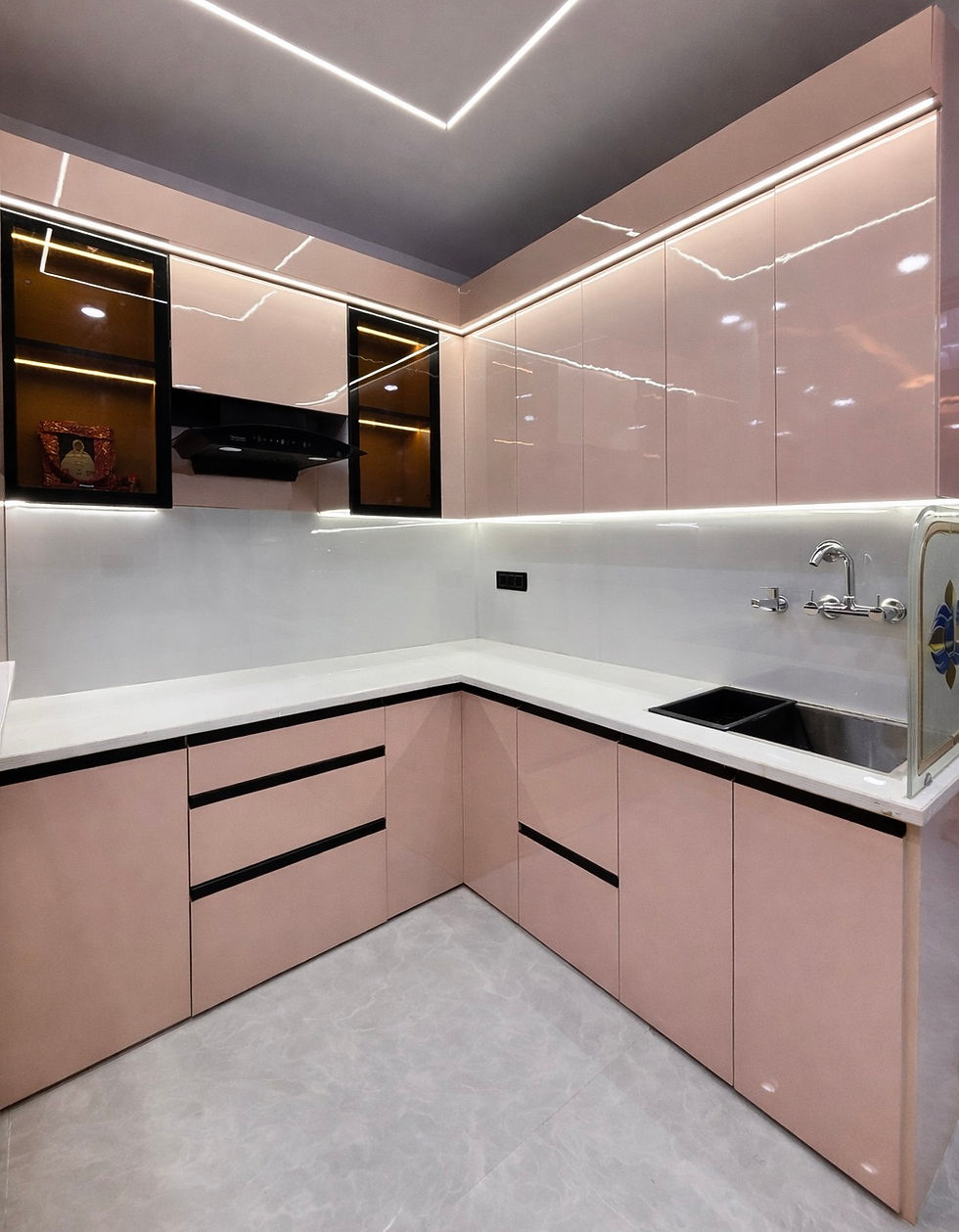
Whether it’s a modular kitchen, wardrobe, utility area, or storage cabinet, aluminium interiors are designed to withstand conditions that typically damage conventional materials.
For an NRI homeowner, this means fewer worries and fewer unexpected repair expenses.
A Smart Choice for Homes That Stay Locked for Months
Many NRI-owned homes remain vacant for extended periods. During this time, moisture, pests, and lack of ventilation can gradually damage wooden interiors.
Aluminium interiors remain unaffected even when a property is closed for several months. This makes them particularly suitable for holiday homes, retirement homes, and investment properties.
Lower Maintenance, Higher Longevity
One of the biggest advantages of aluminium interiors is their long lifespan.
Traditional interiors often require periodic repairs, polishing, laminate replacement, or pest treatment. Aluminium, on the other hand, requires minimal maintenance and retains its appearance for years.
For homeowners managing their property from abroad, this translates into reduced maintenance costs and fewer service calls.
Modern Designs Without Compromising Durability
There is a common misconception that aluminium interiors look industrial or lack elegance.
Today’s aluminium modular kitchens and wardrobes are available in premium finishes, contemporary colours, textured surfaces, and sophisticated designs that rival high-end wooden interiors.
Homeowners no longer have to choose between aesthetics and durability—they can enjoy both.
Ideal for India’s Climate
From the humid coastal regions of Kerala and Chennai to the hot temperatures of Tamil Nadu and the unpredictable monsoons across the country, Indian weather can be harsh on conventional interiors.
Aluminium is naturally resistant to many of these environmental challenges, making it a practical choice for homes located in diverse climatic conditions.
An Investment That Protects Your Investment
When building a home in India, most NRIs focus on construction quality, architecture, and location. Yet the durability of interiors plays an equally important role in preserving the value of the property.
Choosing aluminium interiors is not simply about selecting a different material. It is about investing in a home that remains beautiful, functional, and worry-free for years to come.
For homeowners living abroad, that peace of mind may be the most valuable feature of all.


Comments